Introduction
The PI controller (Proportional-Integral Controller) is one of the most widely used feedback control systems in industrial settings.
Theory
PID Controller 구조
PID Controller의 수학적 표현은 다음과 같다.

u(t): Output
e(t): Error Signal
Kp: Proportional Gain
Ki: Integral Gain
Kd: Derivative Gain
PID Controller의 Block diagram은 다음과 같다.
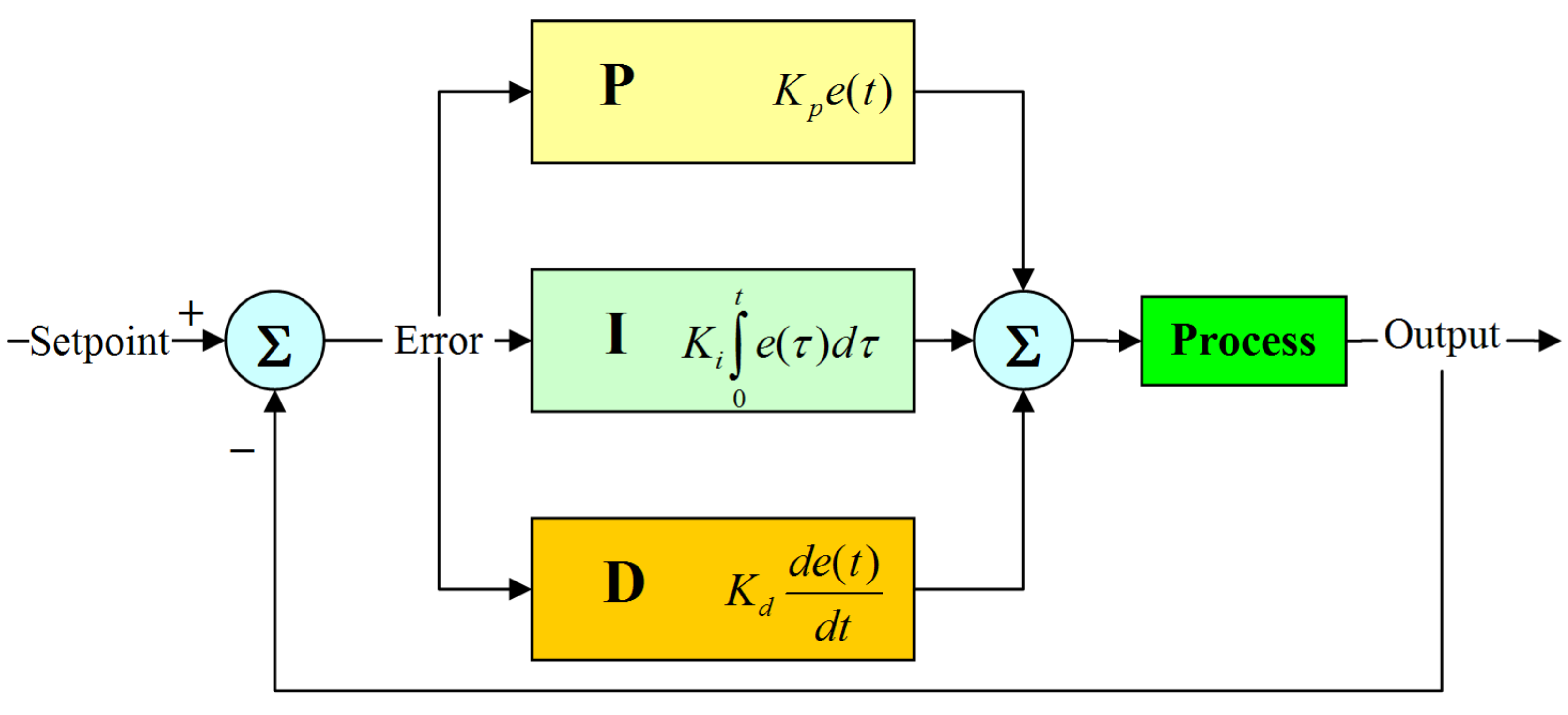
The PI Controller is a form of the PID Controller without the D (Derivative) term.
The differential term is a control that adjusts the input for the rate of change.
If the input contains a lot of noise components, the rate of change becomes distorted, which makes the design of the controller using the differential term difficult.
PI Controller 장점
1) Steady-state error elimination: The integral term compensates for the accumulation of error over time, thereby eliminating steady-state error.
2) Fast response: Provides faster response time than proportional control.
3) Stability: Provides more stable control than PI controller.
4) Simple implementation: Relatively simple to implement and tune compared to PID controller.
Example
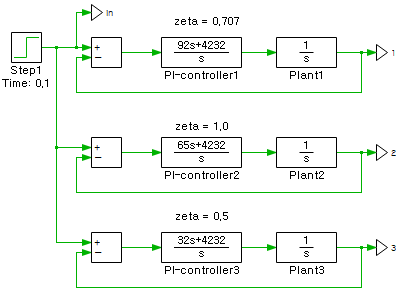
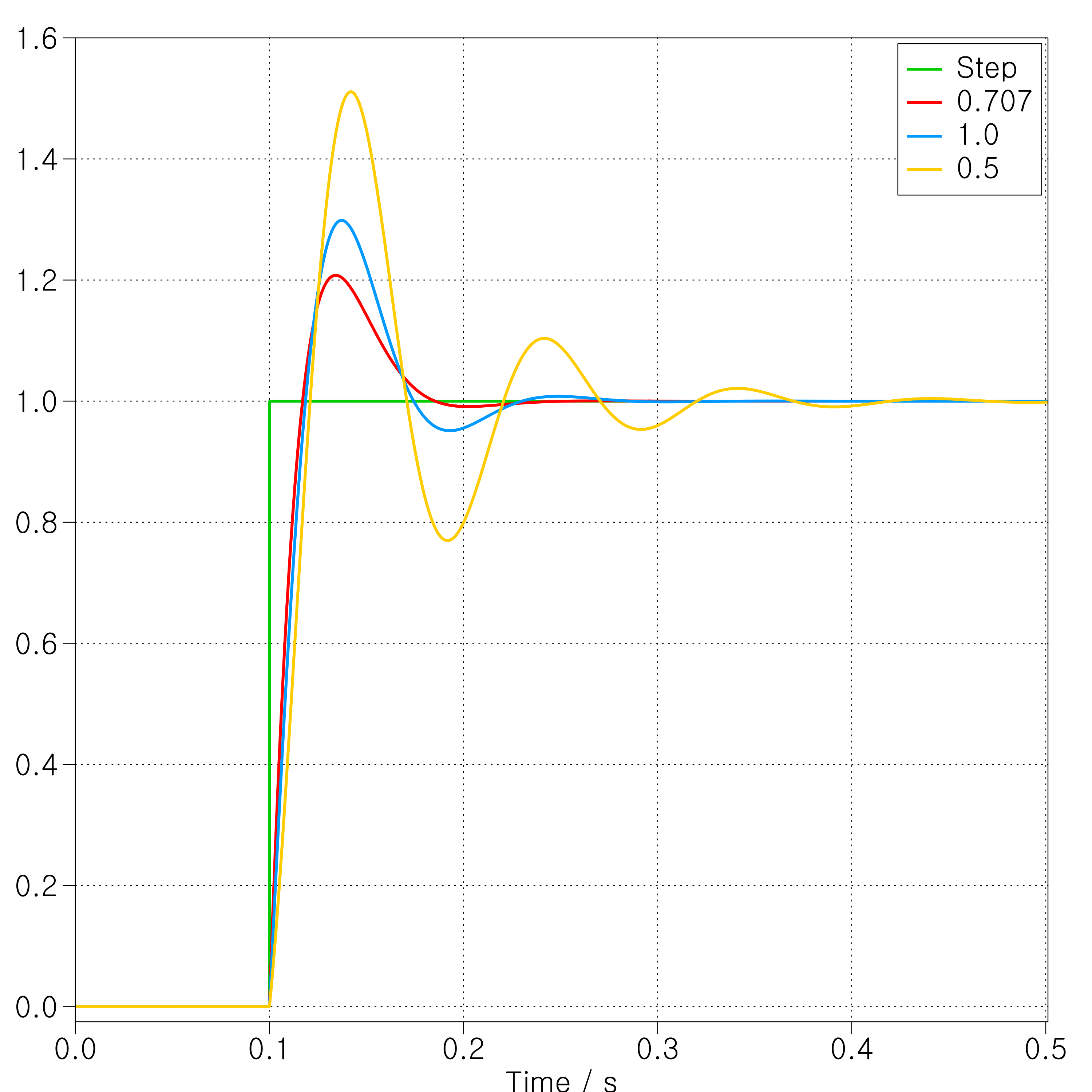
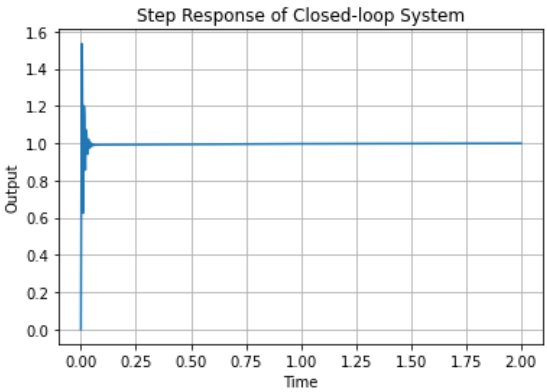
Dampling ration(zeta) 에 따른 response가 다른 것을 알 수 있다.
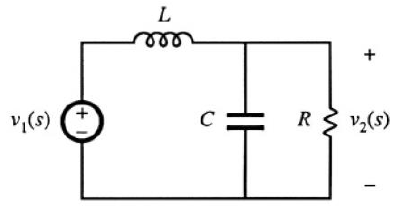
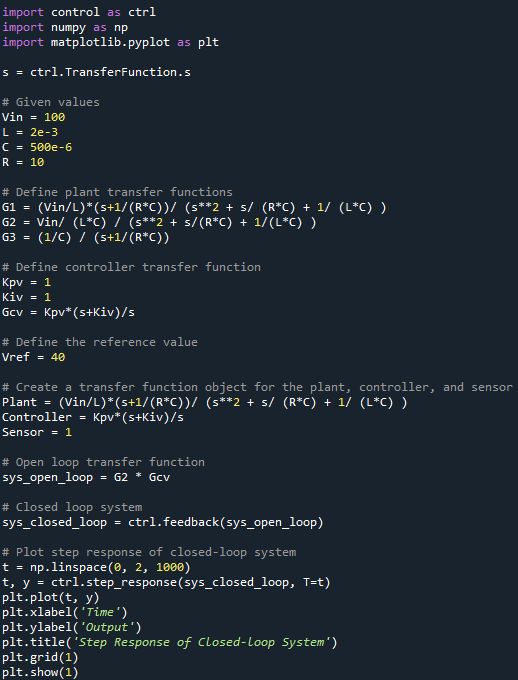
RLC Circuit을 response를 Python Spyder를 사용하여 plot했다.
Reference
[Modern Control Systems], Ricard C. Dorf, Robert H. Bishop
'Control System' 카테고리의 다른 글
| Root Locus Method (0) | 2024.07.31 |
|---|---|
| Second Order System (0) | 2024.07.31 |

